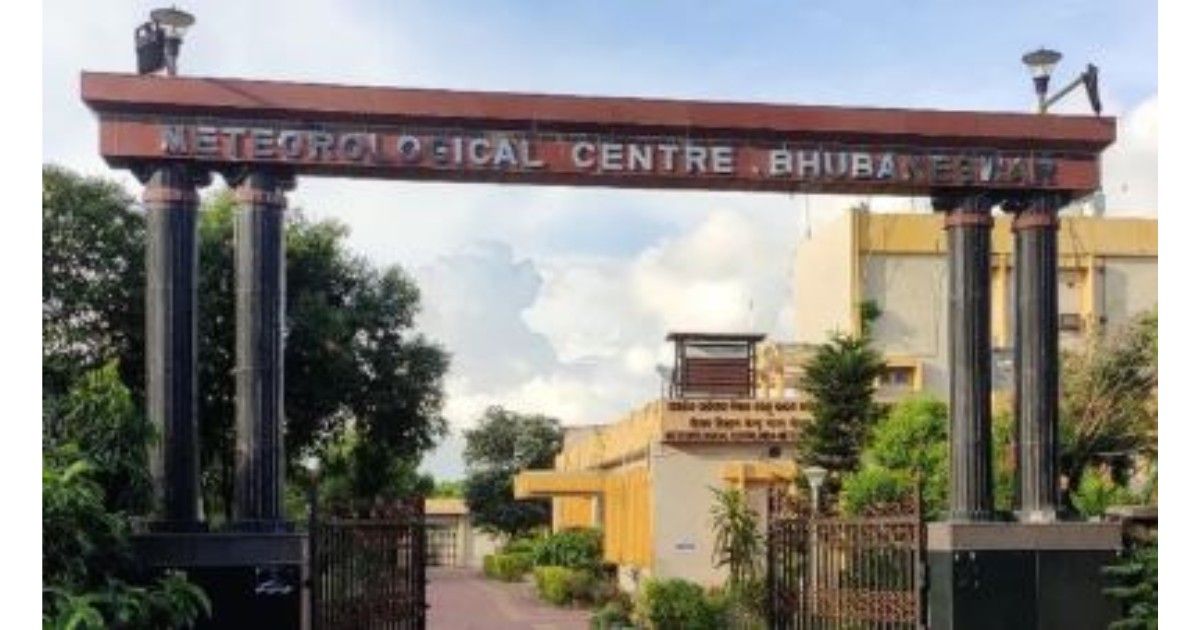
The India Meteorological Department has forecast a return of hot and humid weather conditions across Odisha from April 12, following a brief spell of thunderstorms and relatively stable temperatures over the coming days.
According to the latest advisory, while parts of the state will continue to experience thunderstorms until April 10, a noticeable rise in temperatures is expected thereafter. The shift in weather patterns is likely to bring discomfort to residents, particularly in coastal and low-lying districts where humidity levels are typically higher.
Thunderstorms to Persist Till April 10
Before the onset of heat and humidity, the state is expected to witness continued thunderstorm activity over the next couple of days. The IMD has indicated that lightning, gusty winds, and occasional rainfall may occur in several districts, providing temporary relief from rising temperatures.
However, authorities have urged residents to remain cautious during this period. Lightning strikes pose a significant risk during thunderstorms, and people have been advised to stay indoors and avoid open areas during adverse weather conditions.
The IMD emphasized that these pre-monsoon thunderstorms, while beneficial in reducing short-term heat, can also cause localized damage to crops and infrastructure.
Temperature to Rise by 4–6 Degrees Celsius
Following the brief period of stormy weather, Odisha is expected to experience a steady increase in daytime temperatures. The IMD has projected a rise of 4 to 6 degrees Celsius across the state after April 10.
This increase will mark the transition into a more intense summer phase, characterized by higher temperatures and increased humidity levels. Such conditions are often associated with heat stress, particularly in urban areas and regions with limited green cover.
Weather experts note that the combination of rising temperatures and humidity can significantly impact comfort levels, making conditions feel hotter than the actual temperature.
Districts Likely to Be Most Affected
From April 12 onwards, hot and humid conditions are expected to prevail in several districts across Odisha. These include:
- Balasore
- Bhadrak
- Jajpur
- Kendrapara
- Cuttack
- Jagatsinghpur
- Puri
- Khurda
- Nayagarh
- Ganjam
- Gajapati
Many of these districts are located in coastal or near-coastal regions, where high moisture levels in the air contribute to increased humidity.
Cities like Bhubaneswar and Cuttack are expected to experience particularly uncomfortable conditions due to urban heat effects combined with rising humidity.
Advisory for Residents: Stay Safe During Heat and Storms
The IMD has issued a series of advisories to help residents cope with the changing weather conditions. During thunderstorms, individuals are advised to:
- Seek shelter indoors immediately during lightning activity
- Avoid standing under trees or near electric poles
- Stay away from water bodies and open fields
- Keep electronic devices unplugged to prevent damage
As temperatures begin to rise, additional precautions will be necessary to prevent heat-related illnesses. These include:
- Staying hydrated by drinking plenty of water
- Avoiding direct sunlight during peak afternoon hours
- Wearing light and breathable clothing
- Taking frequent breaks if working outdoors
Health experts warn that prolonged exposure to heat and humidity can lead to conditions such as heat exhaustion and heatstroke, particularly among vulnerable populations.
Farmers Advised to Take Preventive Measures
The changing weather conditions also have significant implications for the agricultural sector. The IMD has issued specific guidelines for farmers to minimize potential damage to crops.
During the thunderstorm phase, farmers are advised to:
- Regulate harvesting activities to avoid losses due to sudden rainfall
- Use hail nets to protect vegetables and standing crops
- Ensure proper drainage in fields to prevent waterlogging
As the heat intensifies, irrigation management will become crucial to maintain soil moisture and support crop growth. Farmers may also need to adjust their schedules to avoid working during peak heat hours.
Impact on Daily Life and Urban Areas
The return of hot and humid conditions is expected to affect daily life across Odisha, particularly in urban centers. High humidity levels can make temperatures feel significantly higher, leading to discomfort and reduced productivity.
In cities, the “urban heat island” effect—caused by concrete structures and limited green spaces—can further amplify heat levels. This makes it essential for local authorities to ensure adequate water supply, cooling measures, and public awareness campaigns.
Schools, offices, and public institutions may also need to adapt their schedules or provide additional facilities to cope with the heat.
Climate Patterns and Seasonal Transition
The forecasted weather pattern reflects the typical seasonal transition in eastern India, where pre-monsoon thunderstorms are followed by rising temperatures and humidity.
Meteorologists note that such fluctuations are common during April, as the region gradually moves towards peak summer conditions before the arrival of the monsoon.
However, variations in intensity and duration of these weather events can be influenced by broader climatic factors, including global temperature trends and regional atmospheric conditions.
Preparedness and Public Awareness Key
Experts emphasize that preparedness and awareness are critical in managing the impact of extreme weather conditions. Timely advisories from agencies like the India Meteorological Department play a vital role in helping people take preventive action.
Local administrations are also expected to remain alert and coordinate with disaster management authorities to respond effectively to any emergencies arising from thunderstorms or heatwaves.
Public cooperation is equally important, as adherence to safety guidelines can significantly reduce risks.
What Lies Ahead for Odisha’s Weather
While the immediate forecast indicates a return of hot and humid conditions from April 12, weather patterns may continue to evolve as the season progresses. Further updates from the IMD will provide clarity on the intensity and duration of the heat phase.
Residents are encouraged to stay informed through official weather bulletins and to plan their activities accordingly.
Transition to Intense Summer Phase Begins
The IMD’s forecast signals the beginning of a more intense summer phase in Odisha, with rising temperatures and humidity expected to dominate the weather from mid-April.
As thunderstorms give way to heat, both residents and farmers must prepare for the challenges ahead. By following safety advisories and taking preventive measures, the impact of these changing weather conditions can be effectively managed.
With the state entering a critical seasonal transition, vigilance and preparedness will be key to ensuring safety and minimizing disruptions in daily life.
Inputs & Images: Hindusthan Samachar
Edited By: Akshaya Polepalli
Also Read: Massive Show of Strength: Mamata Banerjee Files Nomination from Bhabanipur Amid Huge Roadshow